From Victorian Vision to Cultural Landmark
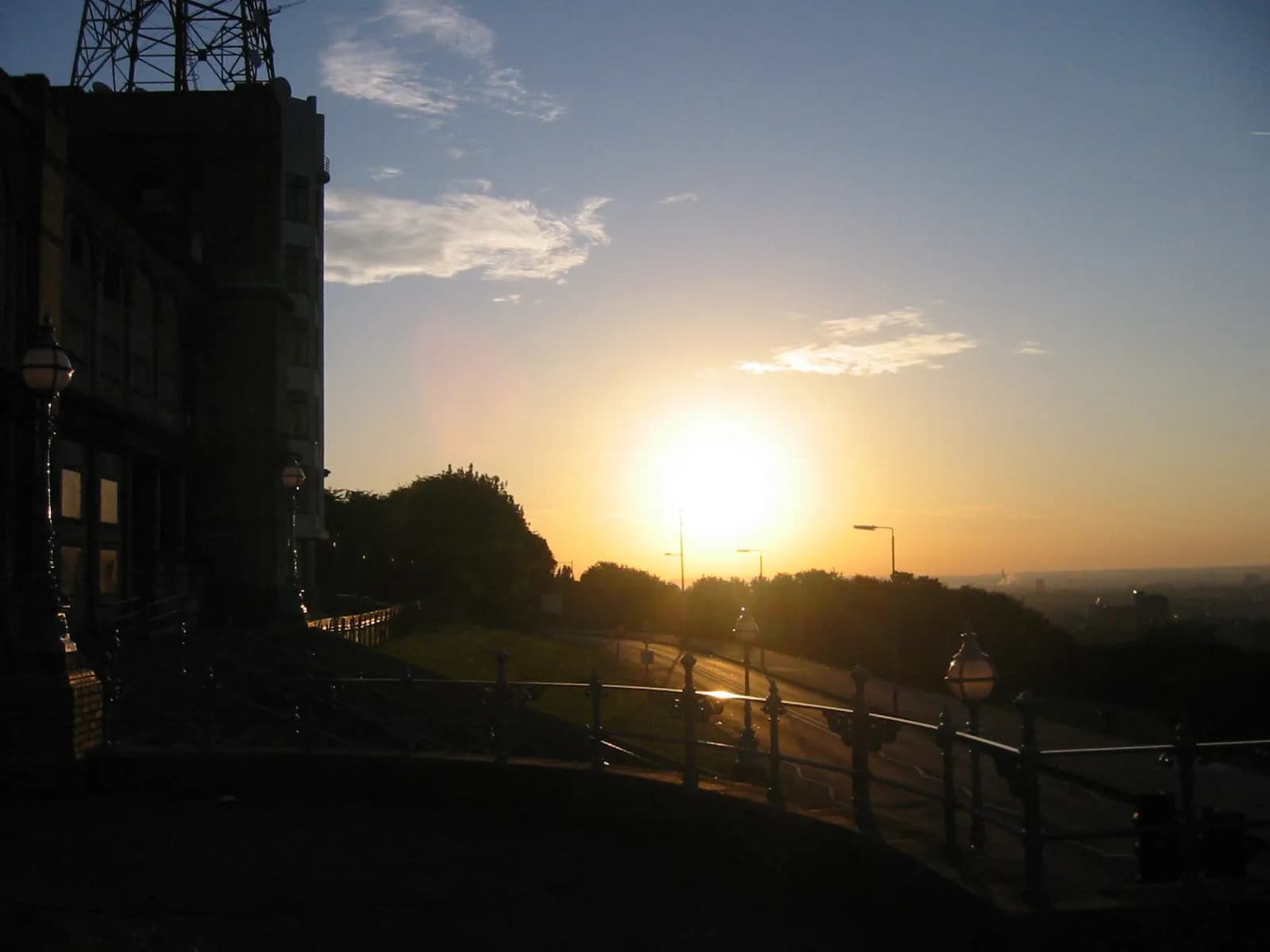
Alexandra Palace has served Haringey residents for nearly 150 years as a public entertainment venue, television pioneer, and community gathering space. Perched on a ridge more than 300 feet above Muswell Hill, the Grade II listed building remains one of North London's most recognisable landmarks.
The People's Palace: Origins and Early Years
The Palace's origins trace back to 1859, when designer Owen Jones conceived "The Palace of the People" as a venue for public recreation and education. Following Princess Alexandra of Denmark's marriage to Prince Albert Edward in 1863, the building was renamed in her honour. The Alexandra Park opened to the public on 23 July 1863, a decade before the Palace itself.
Construction began in September 1865, with architects John Johnson and Alfred Meeson designing the sprawling Victorian structure. Builders Kelk and Lucas, who later constructed the Royal Albert Hall, completed the project at a cost of £417,000 (approximately £45.3 million in 2025 terms). Alexandra Palace first opened its doors on 24 May 1873, with operatic tenor Sims Reeves performing before 102,000 attendees.
Just sixteen days later, disaster struck. A fire destroyed the original building on approximately 9 June 1873, killing three staff members. Undeterred, the trustees rebuilt. Alexandra Palace reopened on 1 May 1875, containing a concert hall, art galleries, museum, lecture hall, library, and a large theatre with sophisticated stage machinery.
The 1900 Alexandra Park and Palace (Public Purposes) Act cemented its civic role, requiring trustees to maintain the building and park "available for the free use and recreation of the public forever." Today, the London Borough of Haringey serves as trustee, with the borough's coat of arms bearing lightning bolts that commemorate the Palace's television broadcasting heritage.
The Birthplace of Television
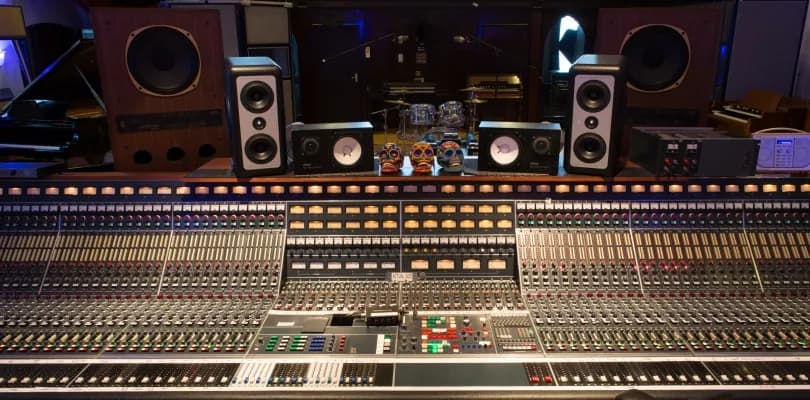
In 1935, the BBC leased the eastern portion of Alexandra Palace for experimental television broadcasts. On 2 November 1936, the world's first regular public "high-definition" television service launched from Studio A, using a 405-line system developed by Marconi-EMI. A competing 240-line system from John Logie Baird operated from Studio B. The BBC selected the 405-line standard in January 1937, establishing the technical foundation for British television.
The BBC maintained its television service at Alexandra Palace until 1956, with news broadcasts continuing until 1969. The Open University produced programmes there until 1981. During the Second World War, the transmitter was repurposed to jam German bombers' navigation systems as part of the Battle of the Beams.
The original Studios A and B survive today, complete with producers' galleries. The BBC television mast, standing 65.5 metres tall, remains operational for local television and radio transmission.
A Venue for Entertainment
Alexandra Palace has hosted generations of performers across multiple venues. The Great Hall accommodates 10,250 people, while the Victorian Theatre, reopened in December 2018 following a £27 million restoration, offers flexible capacity with its original 22-foot stage machinery intact. The theatre had served as BBC storage from 1922 until its recent renovation.
Notable concerts include Pink Floyd's April 1967 performance at "The 14 Hour Technicolor Dream," Led Zeppelin in December 1972, the Grateful Dead in September 1974, and Blur in October 1994. The venue has also hosted the PDC World Darts Championship since 2008, Masters snooker tournaments, and the Brit Awards from 1993 to 1995.
Ice Rink and Recreation
The Alexandra Palace Ice Rink, installed in 1990, offers public skating sessions for ages three to ninety. The facility serves as home to the Haringey Huskies and Haringey Greyhounds ice hockey teams, and hosts the annual Haringey Box Cup. In 2023, the rink was voted the UK's number one ice rink.
The surrounding Alexandra Park spans 200 acres, declared a Local Nature Reserve in 2013 and awarded Green Flag and Green Heritage status. The park features a boating lake, panoramic London views from the Summit, and weekly Saturday morning Parkrun events. A new wetlands boardwalk project is planned for 2026.
Recent Restoration and Community Focus
The East Wing Restoration Project, completed between 2016 and 2018, represented the most significant investment in Alexandra Palace for a generation. Funded by the National Lottery Heritage Fund and Haringey Council, the £27 million project restored the Victorian Theatre and East Court. Architects Feilden Clegg Bradley Studios and contractors Willmott Dixon executed the work.
Recent awards include Best Day Out at the 2026 Blue Badge Access Awards and a Disability Smart award in May 2025. Historic England contributed £550,000 in November 2023 toward restoration of the North East Office Building.
Community programming includes Creative Learning workshops in music, theatre, film, and technology. The "By the People: 150 Lifetimes" mosaic project, funded by the National Lottery Heritage Fund in 2023, celebrates local stories. During the COVID-19 pandemic, the Palace served as a food distribution hub for Haringey residents through Edible London.
Visiting Alexandra Palace
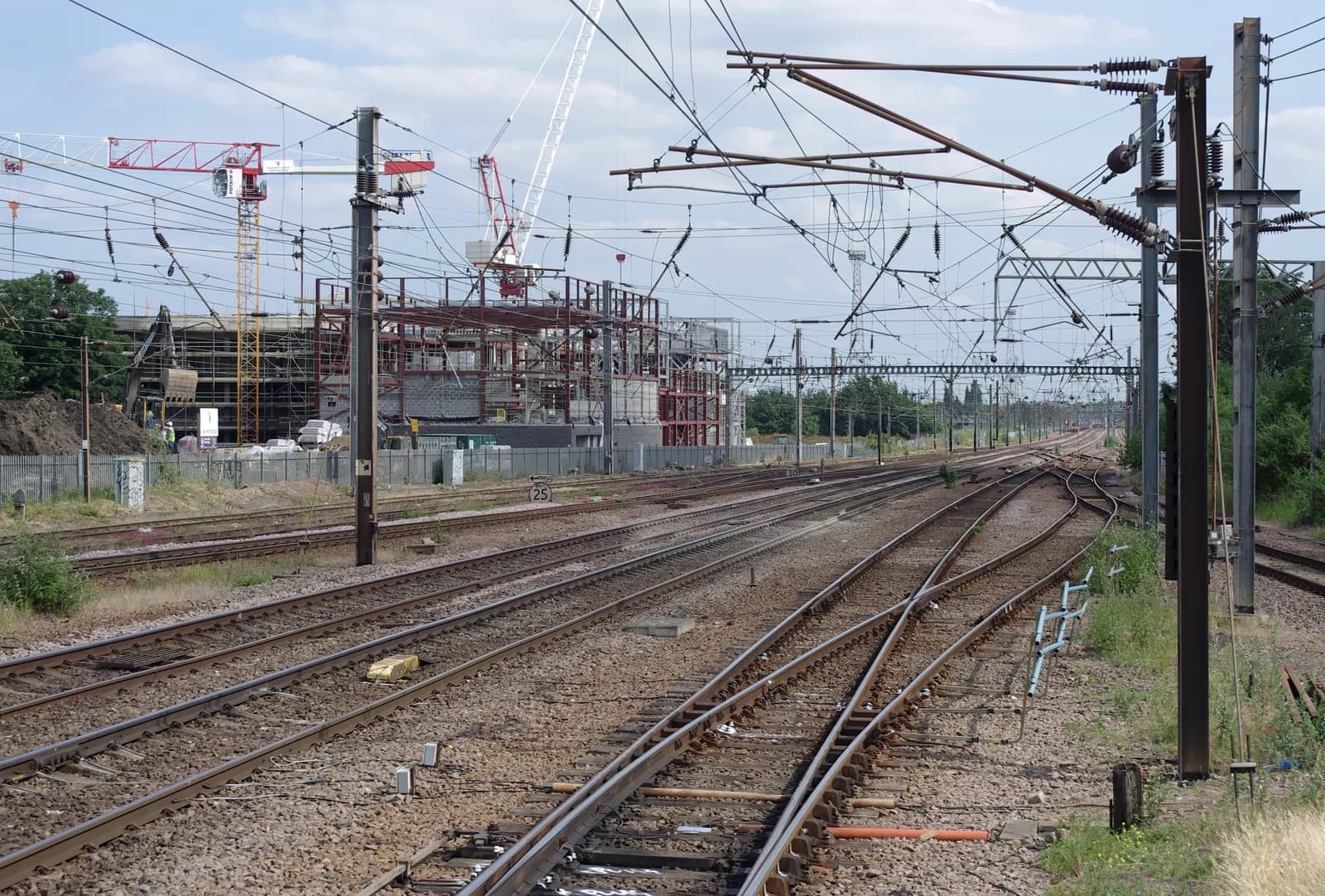
Alexandra Palace stands at Alexandra Palace Way, London N22 7AY, between Wood Green and Muswell Hill. The venue is accessible by Alexandra Palace railway station (Great Northern services from Moorgate), Wood Green Underground station (Piccadilly line), and the W3 bus route.
Food options include the Phoenix Bar & Pizzeria, The Terrace, East Court Café, Boathouse Café, and Grove Café. The BBC Studios have been transformed into a visitor attraction, and the Transmitter Hall was renovated in 2021.
Alexandra Palace remains committed to its founding mission as a public resource for Haringey's communities, balancing heritage preservation with contemporary entertainment and community services.