The History of a Community
The Turkish presence on Green Lanes traces its origins to 1878, when Cyprus became a British colony and the first Turkish Cypriots began arriving in London. Major waves of migration followed: during the 1950s and 1960s, families fled the EOKA conflict and Enosis movement; after the 1974 Turkish intervention in Cyprus, numbers swelled considerably; and economic hardship in Northern Cyprus throughout the 1980s brought further arrivals. The most recent significant wave followed Cyprus's accession to the European Union in 2004.
According to 2011 Census data, 3% of Harringay's 22,627 residents were born in Turkey, whilst 14% identify as Muslim and 12% as Asian. Across London, the Turkish community numbers approximately 600,000 people, comprising roughly 400,000 Turkish Cypriots and 200,000 Turks from mainland Turkey. An estimated 90% of Turks in the United Kingdom live in London, concentrated particularly in the north London boroughs of Haringey, Hackney, and Enfield.
From Industry to Entrepreneurship
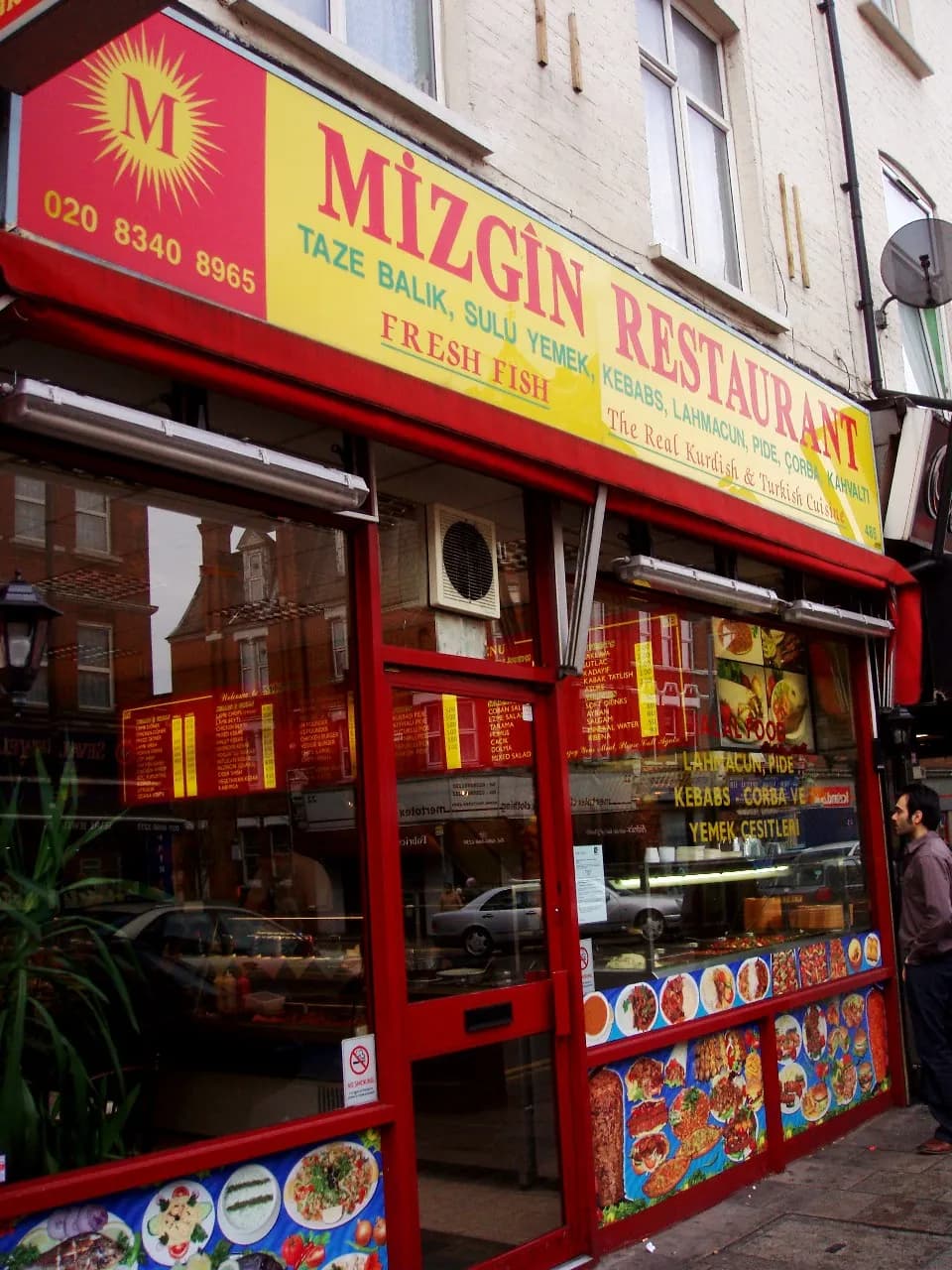
Harringay was once defined by manufacturing. The area housed piano factories, the Maynards confectionery works, and furniture makers. As these industries declined, the enterprising Turkish community transformed the local economy. Migrants who initially found employment in textile factories gradually shifted towards self-employment, establishing restaurants, kebab shops, cafes, supermarkets, minicab offices, and off-licences.
The 1.4-mile stretch of Green Lanes that runs through Harringay, from Finsbury Park to Turnpike Lane, now hosts what locals recognise as one of London's most distinctive culinary corridors. The eastern side of the road, known as Grand Parade, extends for nearly half a kilometre from Harringay Green Lanes station to St Ann's Road, and is lined with Turkish bakeries, grocers, cafes, and an expanding cluster of restaurants.
Religious and Cultural Infrastructure
The community's growth is visible in its religious architecture. The Shacklewell Lane Mosque in Dalston, established in 1977 by Ramadan Güney in a converted synagogue, was the first Turkish mosque in the United Kingdom. The Aziziye Mosque opened in Stoke Newington in 1983, with a capacity of 2,000 worshippers; it occupies a former cinema and includes a halal butcher, weekend school, wedding hall, and restaurant. The Süleymaniye Mosque in Haggerston, opened in 1999, features Ottoman architectural design, accommodates 3,000 people, and at 66 metres boasts the highest minaret in Britain.
Other local institutions include the London Islamic Cultural Society & Mosque in Hornsey and the Fatih Mosque in Wood Green. Approximately 25 Turkish supplementary schools operate across London, educating some 3,000 children, with the Turkish Language Education and Culture Consortium, established in 2000, bringing together 18 of these schools.
The Green Lanes Experience Today
Walking along Green Lanes, visitors encounter the sensory signature of Turkish London: the aroma of fresh bread from bakeries, displays of baklava and Turkish delight in sweet shops, shelves of imported goods in supermarkets, and the bustle of restaurants serving authentic Anatolian cuisine. The area caters primarily to the local community whilst also drawing food enthusiasts from across the capital seeking genuine Turkish fare at accessible prices.
The community has also established its own media presence, with newspapers including Avrupa Gazete, Londra Gazete, and Olay, alongside television stations such as Euro Genc TV and London Turkish Radio. The Cyprus Turkish Association began organising Turkish language classes as early as 1959.
An Enduring Legacy
What began as a refuge for families fleeing conflict has evolved into one of London's most vibrant cultural quarters. The Turkish community in Harringay has built not merely a commercial district, but a complete ecosystem of faith, education, media, and cuisine. Green Lanes stands as a testament to how migrant communities can reshape urban landscapes whilst preserving their heritage across generations.
The area's concentration of Turkish-owned businesses in the N16, N17, and E8 postcodes has created what amounts to a "Little Turkey" in north London, where the traditional and the contemporary coexist, and where the flavours of the Eastern Mediterranean remain woven into the fabric of Haringey life.