Walk any street in Haringey and you are surrounded by buildings that quietly tell a story of centuries of change. From remnants of rural Middlesex to the din of high streets and the familiarity of terraced housing, Haringey’s built environment reflects a history shaped by agriculture, the railway, civic pride and commerce. These influences are layered into the life of today’s community.
Alexandra Palace: Symbol of Entertainment and Innovation
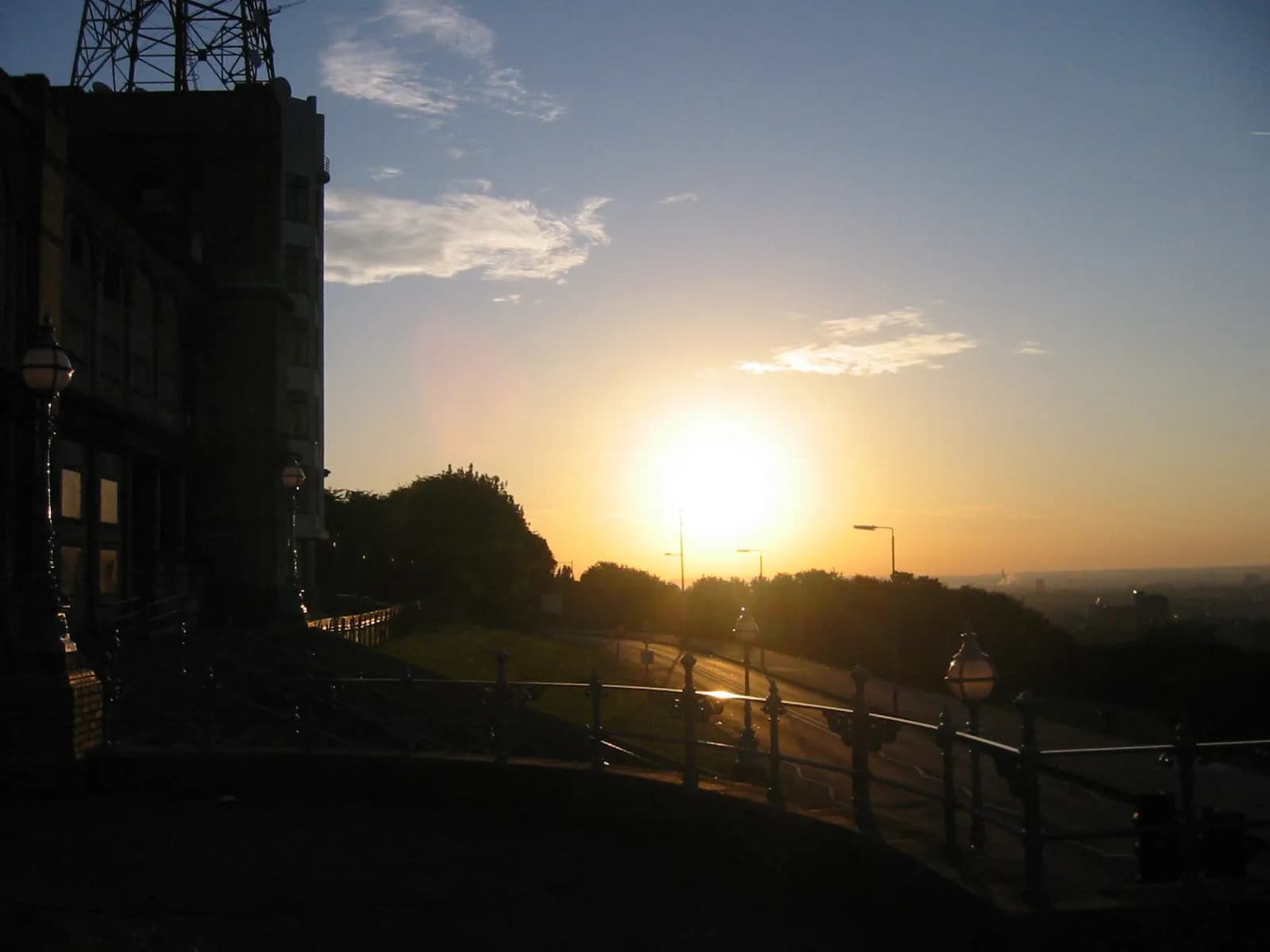
Few buildings are as immediately recognisable as Alexandra Palace. Opened in 1873 as an entertainment and event venue, "Ally Pally" quickly became a hub for local gatherings and, later on, a pioneering centre of British broadcasting. Today, families and visitors attend everything from concerts to exhibitions there. Its hilltop presence is a constant reminder that Haringey’s history is just as much about leisure and innovation as it is about bureaucracy or commuting.
[1]
Bruce Castle and the Borough’s Roots
Just to the north, Bruce Castle stands as witness to an even earlier Haringey. Once a manor house dating from the sixteenth century, it now serves as the borough’s history museum and archives. For school groups, local families and amateur historians, its sturdy walls and lush park connect modern Tottenham directly with the old roll of Middlesex estates.
[1]
Hornsey Town Hall: Civic Pride through Architecture
More recent, but always a local landmark, is Hornsey Town Hall. Built in the 1930s, the building’s modernist lines signal Haringey’s interwar years and reflect its transition to a civic-minded, increasingly urban borough. It remains a focal point for community gatherings and local initiatives.
[1]
Victorian Terraces and the Era of the Railway
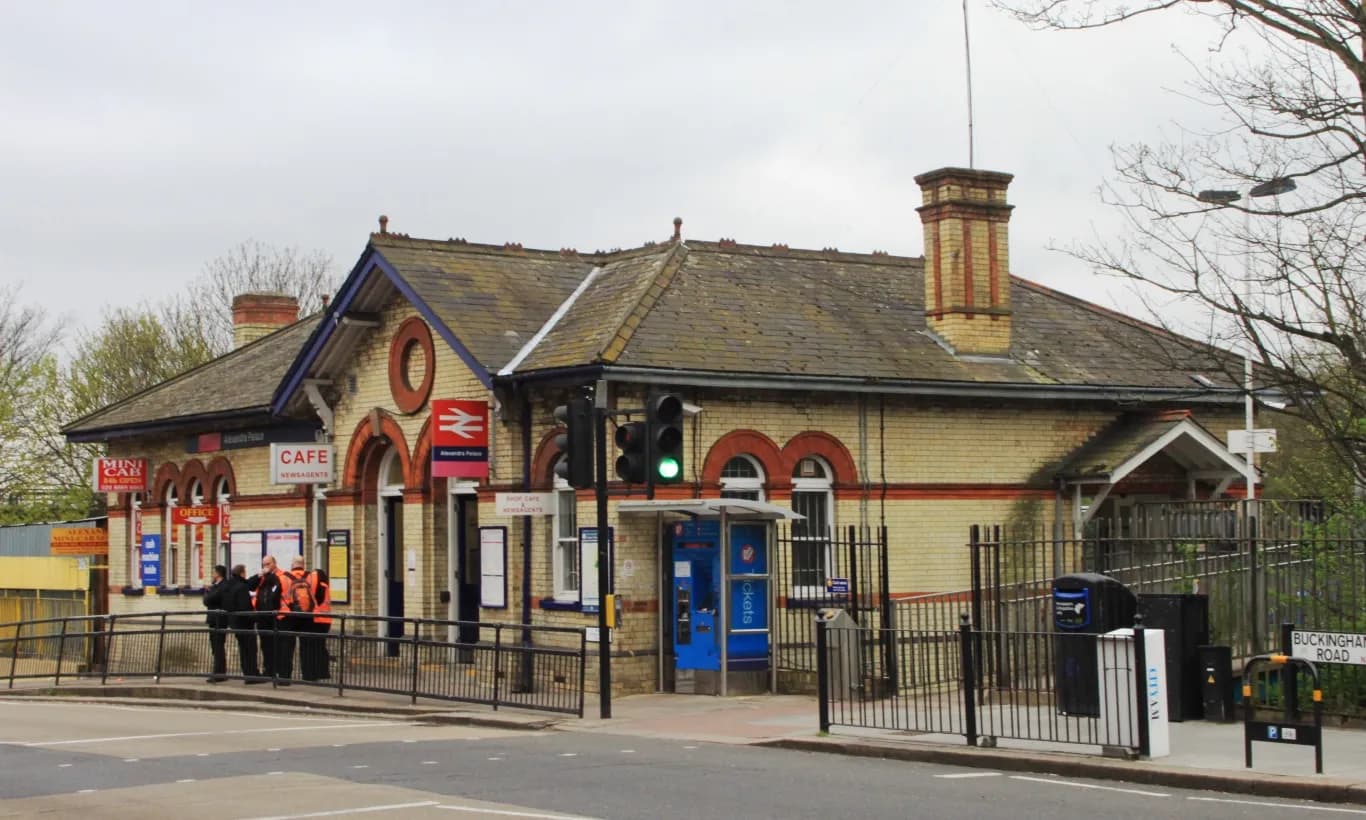
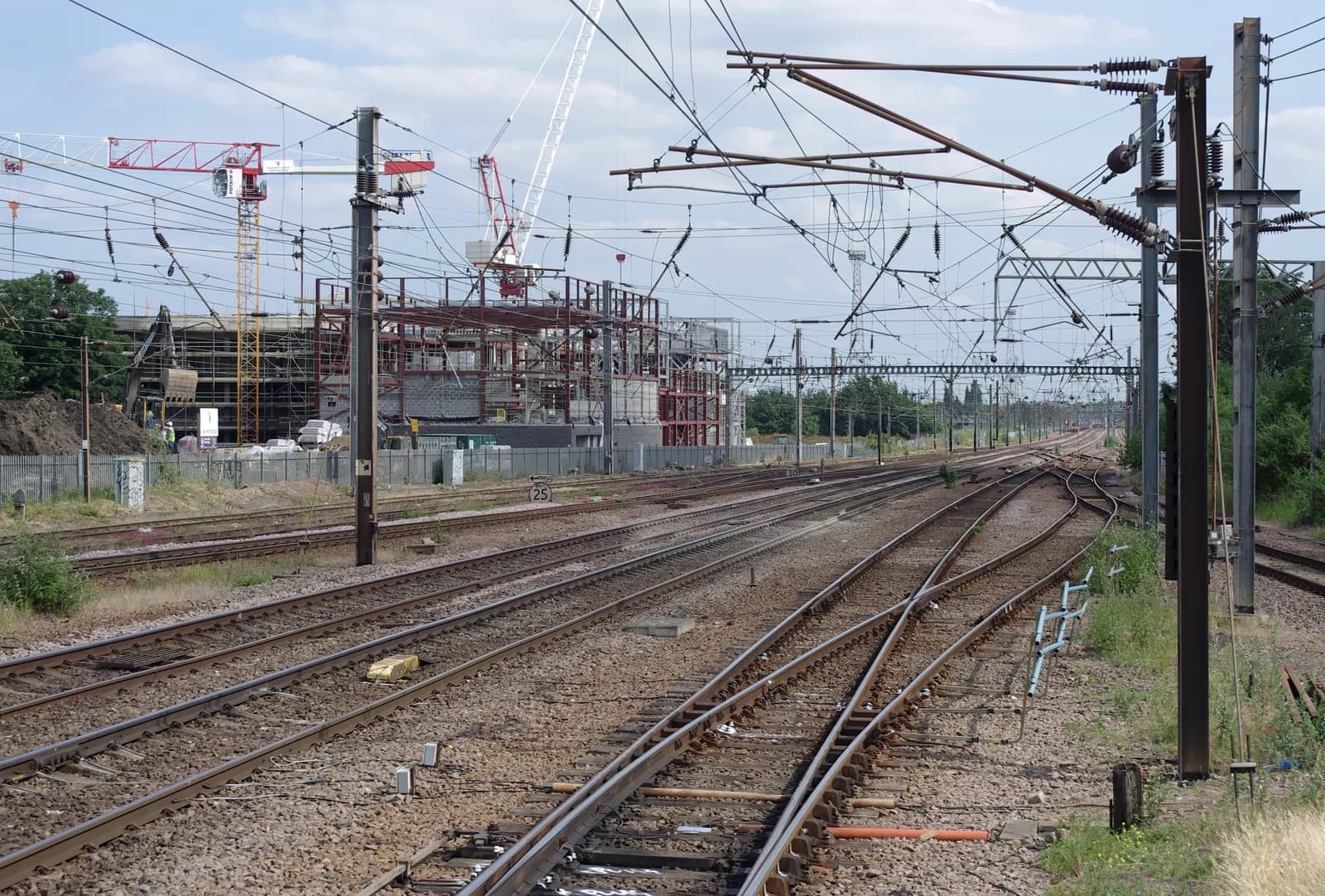
Most Haringey residents know row after row of Victorian and Edwardian terraces. This familiar housing arrived after 1850, when the railway swept through and transformed a patchwork of farms and grand villas into suburbs for working-class and middle-class families. Grand villas intermingle with more modest terraces, and both help define the visual language of Haringey’s streets.
[6]
Wood Green: From Rural Outpost to Shopping Destination
Wood Green’s bustling commercial heart is an obvious example of Haringey’s ability to reinvent itself. Where once lay rural outbuildings and grazing land, today’s high street is alive with shops and services. This is a direct outcome of railway-led suburban growth. Its continued evolution shows how commercial needs have repurposed both old and new buildings to serve changing demographics.
[2]
Harringay, Green Lanes and Parish Pasts
In the east and north, local history is anchored in places like the Harringay Warehouse District and Green Lanes. Here, older industrial buildings and shopping parades reflect the dense layering of parish boundaries, commerce and transport links. Near historic churches like St Mary’s and All Hallows, clusters of older brickwork and altered rooflines still date back to times when these were village centres.
[6]
Parks and Ancient Woodlands
Haringey’s parks are more than green lungs for the borough. Bruce Castle Park grew out of an ancient estate, while Highgate Wood preserves a rare glimpse of Middlesex woodland. The paths, pavilions and gatehouses remind today’s park users that these green spaces are part of a much longer local narrative, stretching from hunting grounds to public commons.
[4]
The Everyday Matters Too
Haringey’s identity has always come from its mix, not any single style. The layers of manor land, suburb, civic buildings and commercial centre are recorded not only in the headline landmarks but also in the ordinary terraces, industrial yards and high street corners. Every post office, church hall, parade of shops or railway bridge that residents pass each day quietly records another chapter in the borough’s ongoing transformation. Each deserves its place in Haringey’s unfolding story.
[3]